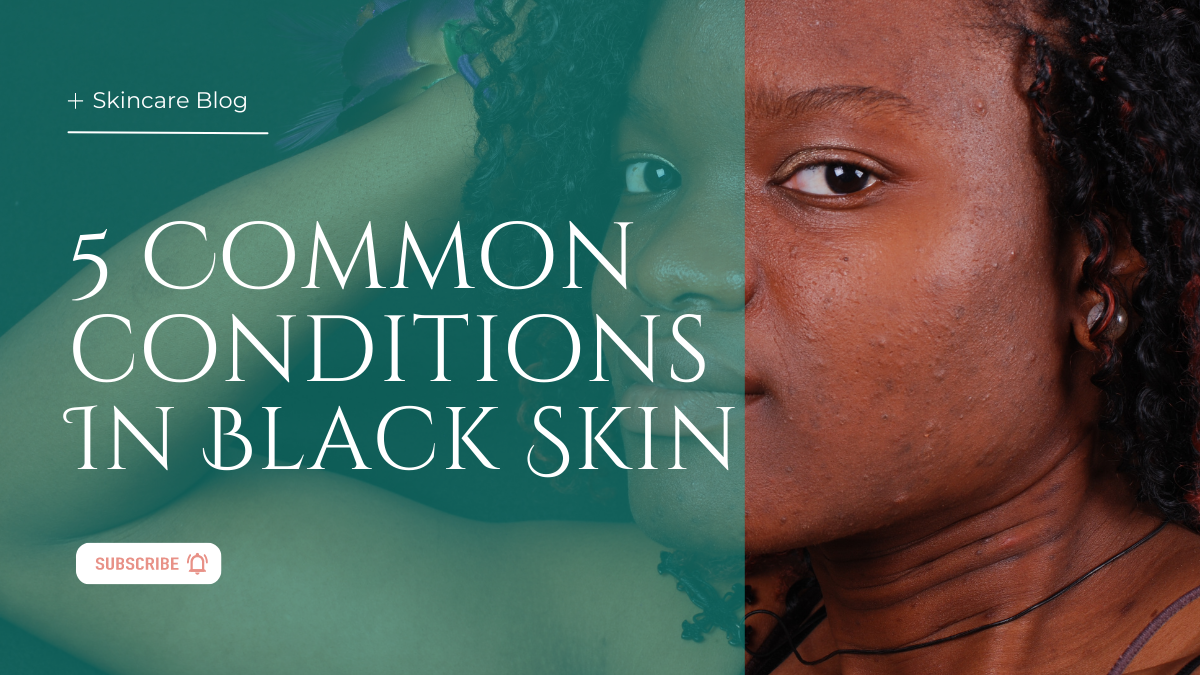
The first rule of skincare is knowing your skin type, and for people with black skin, understanding its unique characteristics is crucial. Over the past two years, while interacting with our valued customers, we’ve discovered that black individuals face common skincare issues that may not receive mainstream attention. In this article, we’ll explore these concerns in-depth, shedding light on the challenges faced by middle-aged women and older individuals, including the mysterious “Chubaba” (stay tuned for more on this fascinating topic in our next blog post).
Black Skin : the natural skin tone or complexion of individuals with African ancestry or darkly pigmented skin. It is characterized by higher levels of melanin, a pigment responsible for the color of the skin, hair, and eyes. Melanin production is more active in black skin, resulting in a darker hue compared to other skin types. Black skin comes in various shades, ranging from deep browns to rich blacks.
This comprehensive guide offers insights into the most prevalent skincare issues experienced by individuals with black skin, and recommendations to effectively address these concerns.
Hyperpigmentation: Black skin produces an abundance of melanin, making it susceptible to hyperpigmentation and dark spots. Acne, eczema, skin conditions, and sun damage can contribute to this issue. Learn effective strategies to reduce hyperpigmentation and restore an even skin tone.
Uneven Skin Tone: Uneven skin tone is a common concern for individuals with black skin, often stemming from hyperpigmentation, scarring, or other skin conditions. Discover proven techniques to address and improve uneven skin tone, allowing your natural beauty to shine through.
Eczema: Black skin may appear ashy or dull, especially during dry winters or in arid climates. Dryness and dehydration are often the culprits. Explore practical tips and skincare routines to combat eczema, restoring your skin’s vitality and radiance.
Acne: Black skin tends to be more prone to acne and breakouts, particularly in areas with larger pores such as the T-zone. Uncover effective strategies to prevent and treat acne, helping you achieve a clearer, healthier complexion.
Razor Bumps: Black men commonly experience razor bumps, also known as pseudofolliculitis barbae, caused by ingrown hairs. Learn about specialized techniques and products designed to alleviate and prevent razor bumps, ensuring a smooth and comfortable shaving experience.
Keloids: Black skin has a higher predisposition to developing keloids—raised scars that extend beyond the original injury or incision site. Discover effective treatment options and preventive measures to manage keloids and promote optimal skin healing.
Black skin requires specific care to address its unique skincare concerns. By incorporating skincare products specifically formulated for black skin, such as those enriched with natural ingredients like shea butter and aloe vera, you can soothe and protect your skin while reducing hyperpigmentation, improving skin texture, and promoting an even skin tone. Share your current skincare struggles in the comments below, and we will provide tailored recommendations to assist you on your skincare journey.
Chat Soon, Karabo